
10 Mistakes to Avoid When Cleaning Car Seats
Cleaning car seats can be a daunting task, especially if you're not sure what you're doing. With various materials, stains, and cleaning products available, it's easy to make mistakes that can ruin your seats. In this blog post, we'll discuss some common blunders to steer clear of to ensure your car seats look their best. Let's dive in!
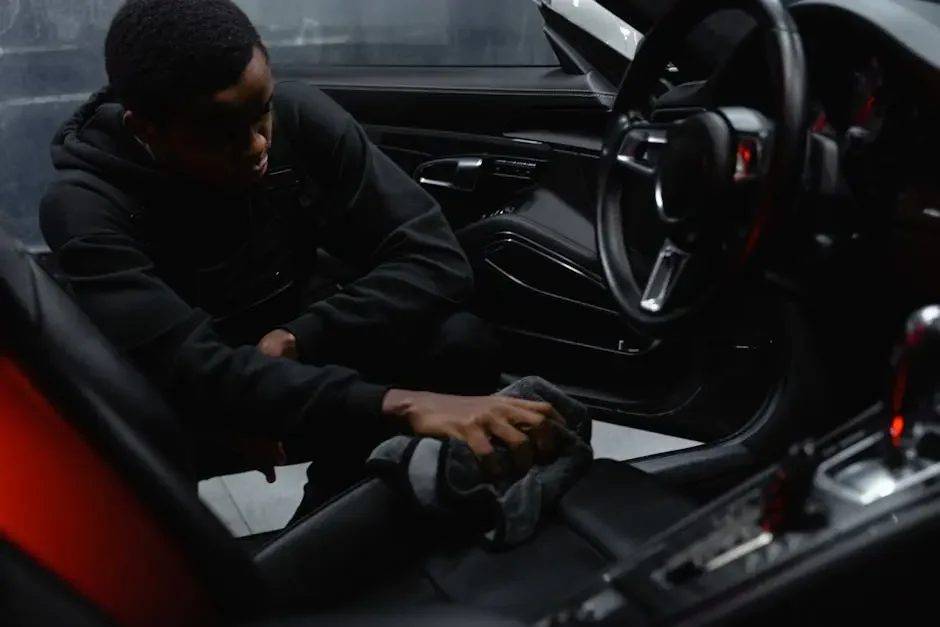
1. Ignoring Manufacturer Instructions
Every car seat is different, and ignoring the manufacturer's cleaning instructions can lead to damage. It's vital to look for any tags or care labels that provide guidance on proper cleaning methods. For example, if your seat is leather, the care instructions may specify a particular type of cleaner or even advise against water. Not adhering to these recommendations could mean investing time and money, only to find you've inadvertently caused more harm than good.
Taking just a few moments to read through these details can save you headaches later on. Consider this: if your car seat features specialized stitching or designs, a generic cleaning solution could ruin that detail over time. Knowing the manufacturer’s recommendations will ensure you are not only cleaning effectively but also preserving your car's quality.
2. Using Harsh Chemicals
Some cleaning products contain harsh chemicals that can damage the fabric or leather of your seats. While it might be tempting to reach for that powerhouse cleaner that promises to erase every stain, remember that many of these formulations contain ingredients that could do more harm than good. The negative effects can range anywhere from fading colors to cracking leather, which is surely not the result you want when attempting to refresh your car's interior.
Instead, opt for products tailored to car seat materials, ideally those labeled as 'safe for automotive use.' A gentle solution can be just as effective when used properly, and your seats will thank you for it in the long run. Furthermore, homemade cleaners using simple ingredients like vinegar and baking soda can work wonders while remaining entirely safe.
3. Skipping the Vacuuming Step
Failing to vacuum before cleaning can leave dirt and debris grinding into your seats, making stains worse. Think of it this way: when we try to wash a dirty dish without rinsing off the loose food first, the mess only gets spread around. The same principle applies to car seats. If dirt and crumbs are present before you apply your cleaning solution, they can create additional stains, or even trap moisture leading to mold growth.
Snagging a quick vacuum is a small effort that yields big results. It removes those pesky particles, allowing your cleaner to penetrate the fabric more thoroughly. Plus, this step not only enhances your cleaning routine but also keeps your car's ambiance fresh. In short, always make vacuuming your first step—your car seats will thank you!
4. Over-Saturating Seats with Water
Using too much water can lead to issues like mold and mildew, especially in fabric seats. It’s an easy mistake to make—after all, more water often feels like it could provide a deeper clean. However, the reality is that over-saturating your seats can create moisture issues that are a headache to deal with later on. Think about it: too much moisture trapped in the seams and fibers can promote mold growth, which not only smells bad but can also be harmful to your health.
Instead, dampen your cloth rather than soaking it. Use just enough water to wipe down and remove stains while ensuring that the fabric remains dry to the touch. Remember to do smaller sections at a time, allowing each area to dry thoroughly before moving on. By controlling the amount of water you use, you set yourself up for a successful cleaning session sans any of those pesky after-effects!
5. Not Testing Cleaning Solutions First
Always test a small area before applying a new cleaner to avoid unwanted damage or discoloration. This step is often overlooked, yet it’s crucial for ensuring the longevity and appearance of your car seats. Imagine slapping a new cleaner on at full strength, only to realize it bleaches the color or makes the material sticky. A simple patch test will help you avoid that risk and give you peace of mind.
To perform a test, choose a spot that’s less noticeable, like underneath the seat or in a corner. Apply a small amount of the cleaner, wait for a moment, and check the results. This will allow you to gauge how the material reacts before you clean the entire seat. By taking this extra precaution, you can tackle stains with confidence, knowing you’ve paved the way for a successful clean.
6. Using the Wrong Tools
Using abrasive tools can scratch or damage your seats. Opt for soft cloths and brushes instead. This is where many people trip up by thinking that harsher tools will give a better clean. However, the opposite is often true. Soft microfiber cloths are fantastic at lifting dirt without causing harm. Additionally, using non-abrasive brushes can help dislodge stubborn dirt without scratching your seats.
What’s important to remember is that the wrong tools can turn your cleaning session into a costly disaster. Even your gentle scrubbing motion can inadvertently lead to unsightly damage. So, stock your car-cleaning arsenal with tools dedicated to car care. By doing so, you’ll make your cleaning task much easier and less prone to mishaps.
7. Neglecting Stain Treatments
Failing to address stains promptly can result in more set-in marks that are harder to remove later. When it comes to stains, time is of the essence. The longer you wait, the deeper the stain can seep into your seat’s fabric. By treating a stain as soon as you notice it, you significantly increase the chances of successful removal.
For effective stain treatments, always dab (never rub) the area with a clean cloth to avoid spreading. And while it’s essential to treat various stains—be it food, coffee, or pet-related accidents—there’s no one-size-fits-all approach. Different stains require different treatments. Having a reliable stain-removal guide on hand can help you act swiftly during those panic moments!
8. Forgetting to Dry Properly
Not allowing seats to dry properly can lead to unpleasant smells and mold growth. After all, a thorough cleaning doesn’t just stop at removing dirt; the drying stage is equally important. If your seats remain damp, you’re inviting a world of troubles. Mold not only produces unpleasant odors but can also become a health hazard over time.
To ensure proper drying, leave car windows open or park your vehicle in a well-ventilated area. If needed, use fans to circulate air around the seats. Checking that your seats are fully dry can save you from future headaches. Just remember, a little patience at this step can ensure a fresh and welcoming environment in your ride.
9. Using Old Products
Old or expired cleaning products may not be effective and could even harm your seats. It's tempting to hold onto that cleaner you bought ages ago, thinking it might still work wonders. But over time, chemicals in cleaning products can break down, losing their potency and potentially becoming harmful residues.
Regularly check your supplies and replace older products when necessary. Using fresh cleaning solutions not only increases your chances of success, but it can also preserve the quality of your seats. Treat your car with the care it deserves by staying stocked with effective and reliable cleaning solutions.
10. Rushing the Cleaning Process
Take your time when cleaning to ensure a thorough clean, rather than hurrying through the steps. It’s easy to get caught up in the hustle and bustle of life and area cleaning session can feel like just another task to tick off the list. However, rushing can lead to missed spots, half-done efforts, and ultimately, an unsatisfactory end result.
Instead, schedule a few hours dedicated to this cleaning session so you can focus on each step. By embracing a more measured pace, you can carefully assess your progress and correct any mistakes along the way. This mindful process not only results in cleaner seats but also leaves you feeling accomplished and proud of your efforts!
