How Clay Bar Treatment Transforms Your Vehicle's Appearance
If you've ever looked closely at your car's paint job and noticed tiny imperfections or a dull finish, you're not alone. Many car owners face this issue, but there's a simple solution that can bring back that showroom shine! In this blog, we're diving into the world of clay bar treatment, a game-changing technique that many may not know about. With an easy-to-understand approach, we'll explore what clay bar treatment is, how it works, and why it's essential for maintaining your vehicle's appearance.
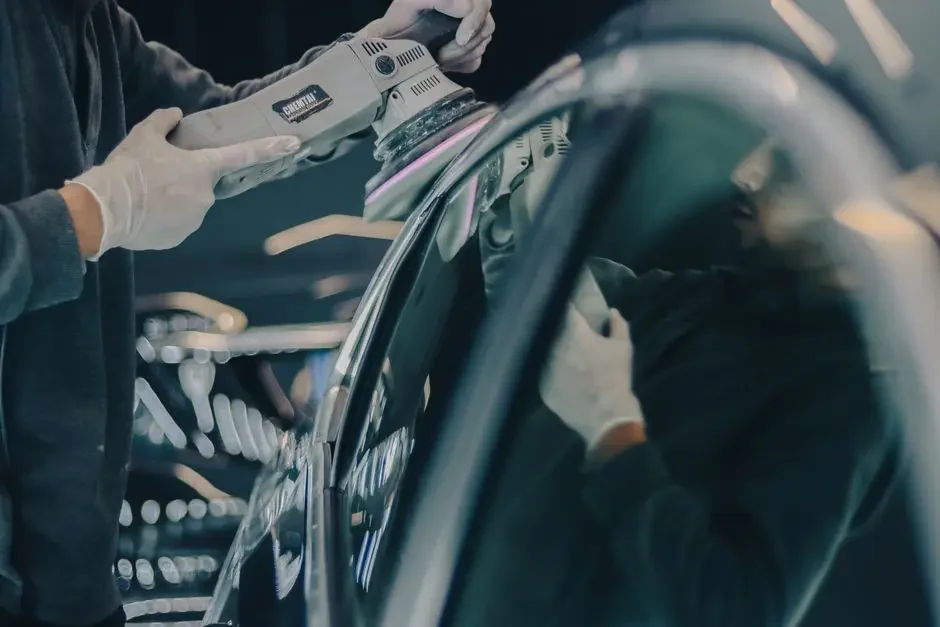
Understanding Clay Bar Treatment
Clay bar treatment is a detailing process that involves using a clay bar to remove embedded contaminants from your vehicle’s paint. This section will explain the basics of clay bar treatment, including what it is and how it differs from traditional washing or waxing.
To understand clay bar treatment more fully, think about your car’s surface as a canvas. Over time, pollutants from the environment—including dirt, tar, and industrial fallout—settle on this canvas, making it look worn and lackluster. A clay bar isn’t just any ordinary cleaning tool; it’s specially formulated to lift these impurities from the surface without damaging the paint beneath. As you glide the clay bar across your car, it essentially ‘grabs’ the particles, restoring that smooth, glassy feel to the surface.
Many people confuse clay bar treatment with conventional waxing or polishing, believing that a wash and wax routine is sufficient for maintaining a vehicle's appearance. However, waxing merely covers surface issues, while the clay bar treatment targets the underlying contaminants. This means that a clay treatment can significantly enhance the effectiveness of any subsequent waxing or polishing, giving your vehicle that extra sparkle.
The Benefits of Clay Bar Treatment
This part will discuss the numerous benefits of clay bar treatment, including improved paint shine, enhanced protection against the elements, and how it can prolong the life of your vehicle's exterior. Discover why this simple step is crucial for your car’s upkeep!
One of the most significant advantages of clay bar treatment is the immediate visual impact it has on your vehicle. After a thorough clay treatment, drivers often report a glass-like finish that truly stands out on the road. This rejuvenation not only enhances the aesthetics but also reflects a sense of pride in ownership. A beautiful car is a joy to drive, and the compliments you'll receive from friends and family are surely a bonus!
But the benefits extend beyond just looks. A clay bar treatment effectively acts as a protective barrier, shielding your car's finish from adverse weather conditions, UV rays, and other harmful environmental factors. When you remove contaminants before applying wax or sealant, you're ensuring a much longer-lasting protective layer. This preventive measure means that your car's exterior can withstand the elements, leading to less frequent detailing and, ultimately, lower maintenance costs.
Additionally, clay bar treatment can help in maintaining your vehicle’s resale value. A car that looks well-cared for not only draws in potential buyers but can also command a higher price. By incorporating this simple process into your vehicle maintenance routine, you're not just preserving the aesthetics; you're protecting your investment for the long term. No one wants to see their vehicle lose value prematurely, and clay bar treatment is a smart, proactive step.
How to Perform a Clay Bar Treatment at Home
For those who enjoy DIY projects, this section will provide a step-by-step guide on how to perform clay bar treatment at home. From gathering the necessary materials to tips for achieving the best results, we'll make it easy for you to rejuvenate your car’s finish.
First things first: gathering your supplies. You’ll need a quality clay bar, a detailing spray or lubricant, microfiber towels, and a clean wash mitt. Once you have everything ready, start with a good wash to remove any loose dirt and grime. This step is crucial because you don’t want to add any scratches while using the clay bar. After washing, dry the car thoroughly to prepare the surface.
Next, divide your vehicle into manageable sections. Working on one small area at a time will allow you to focus and ensure that you’re doing a thorough job. Spray the detailing lubricant generously onto the section to prevent the clay bar from sticking. Then, take your clay bar, knead it into a flat disc, and begin to gently glide it over the lubricated surface in a back-and-forth motion. You'll know it's working when you feel the clay pulling on the contaminants.
Once you finish a section, wipe it clean with a microfiber towel and visually inspect it for any remaining imperfections. Repeat the process until your entire vehicle is done! Finally, consider applying a fresh coat of wax or sealant afterward to lock in that pristine finish. With just a little time and effort, you'll be amazed at how much better your car looks!
Common Mistakes to Avoid
Even with a straightforward process, mistakes can happen. This section will highlight common pitfalls car owners make during clay bar treatment and how to avoid them for a flawless finish.
One common mistake is not using enough lubricant with the clay bar. Insufficient lubricant can cause the clay to stick and create scratches on your paint instead of lifting contaminants. Make sure to apply a generous amount of detailing spray to the area before using the clay bar, ensuring a smooth glide that won't damage your vehicle.
Another frequent error is using a dirty or damaged clay bar. Before you start, examine your clay for any debris or imperfections. Pinch off any dirty sections and reshape the bar to use a clean portion. Remember, the clay bar is designed to capture contaminants, and if it’s dirty, it won’t perform effectively.
Lastly, some people rush through the process, believing that clay bar treatment needs to be done quickly. However, taking your time will yield better results. Pay attention to each section of your vehicle and ensure you're giving it the attention it deserves. Slower, more deliberate strokes will often lead to a more impressive finish, creating a ride that you can be proud of.
Professional vs. DIY Clay Bar Treatment
This part will weigh the pros and cons of choosing professional services versus doing it yourself. We’ll help you decide which option is best for your needs and circumstances, ensuring you get optimal results for your vehicle.
Choosing between professional clay bar treatment and doing it yourself can be a daunting decision. On one hand, professionals have experience and often utilize high-quality products that can yield impressive results. If you’re busy or unsure about the process, hiring a professional can save you time and provide peace of mind knowing the job will be done right.
Conversely, undertaking clay bar treatment yourself can be incredibly rewarding. Not only do you save money, but you also gain the satisfaction of knowing that you're caring for your vehicle. With the right materials and a bit of research, you can achieve remarkable results without breaking the bank. It’s a perfect opportunity to learn more about car maintenance and develop new skills.
Ultimately, the choice depends on your personal preferences, budget, and comfort level with DIY tasks. Whether you hire a professional or take on the project yourself, the important thing is to ensure your vehicle benefits from this effective detailing technique. Remember, a well-maintained car is not just pleasing to the eye, but it can also save you from costly repairs down the line.
Final Thoughts on Clay Bar Treatment
In conclusion, clay bar treatment is more than just a luxury; it's a vital part of routine car maintenance that helps protect your investment. By effectively removing contaminants and enhancing the brilliance of your car’s finish, you can enjoy a vehicle that looks its absolute best. So, are you ready to give your vehicle the TLC it deserves?